
Best Coffee Alternatives: 13 Ways to Boost Your Energy Without Caffeine
If you love a morning cup of joe, you’re not alone. According to the National Coffee Association’s 2024 trends report, 67% of American adults drink coffee every day. Not only is coffee a beloved pastime and potent pick-me-up but there have also been numerous studies about its potential health benefits, including lowering the risk of diabetes, heart disease, and even some cancers.
Still, you might be thinking it’s time to cut back on your coffee habit. After all, caffeine is a stimulant that’s classified as a drug because it stimulates the central nervous system. While the amount of caffeine in a cup of coffee varies depending on different factors like bean type and how it’s brewed, the average 8-ounce cup has 95 milligrams (mg). By comparison, a single espresso or espresso-based drink has 63 mg, and decaf coffee typically has 3 mg to 7 mg of caffeine. While some people can drink a lot of caffeine without any adverse reactions, others might encounter side effects even with low or moderate doses.
Some of the most common side effects are nervousness (aka “the jitters”), insomnia, digestive issues, headaches, and the inevitable energy crash. There’s also ongoing debate about caffeine-induced adrenal fatigue, which is basically all of the aforementioned symptoms combined. In any case, if you want to quit caffeine and still enjoy a long-lasting energy boost, this list of the best coffee alternatives can help.
Drink This: 7 Coffee Alternatives That Won’t Give You the Jitters
Like smoking, snacking, or any other habit, part of the satisfaction of drinking coffee comes from the repetition and routine. While there are legitimate physical and psychological changes that happen to the body when drinking coffee, it’s also about the ritual of preparing—or simply buying—coffee and enjoying that first sip. Many people might reach for matcha tea as an alternative to coffee, but it still has caffeine.
So what to do when you need an energy boost but don’t want the post-caffeine crash? Whether you plan to quit cold turkey, feel like taking a temporary break, or want to cut down your caffeine intake in general, it’s possible to find a healthy alternative to coffee that will still increase your energy levels. While turmeric golden milk lattes and most herbal teas are tasty alternatives, they don’t necessarily offer an energy boost. Take a look at these caffeine alternatives to fuel your focus.
1. Chicory Root
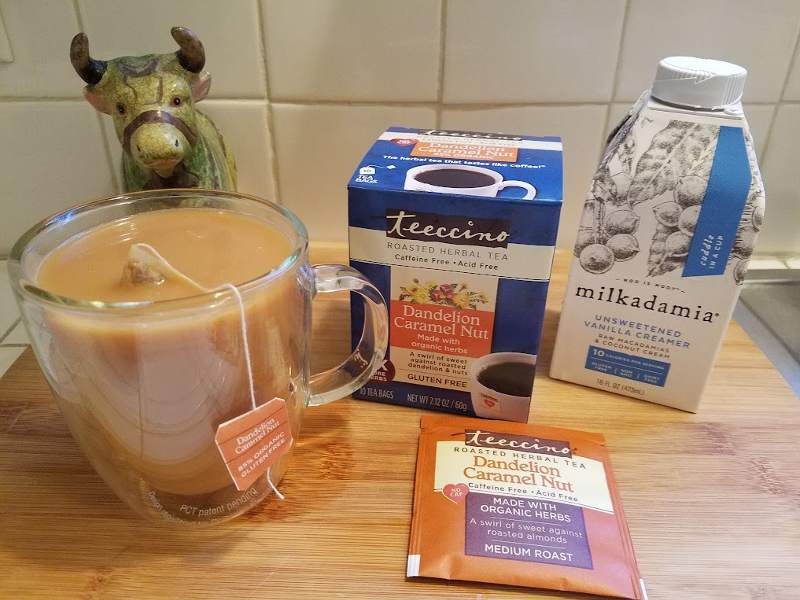
Part of the dandelion family, chicory root “herbal coffee” is not only caffeine-free, but it’s also roasted, ground, and prepared just like real coffee. It also contains a high level of fiber called inulin, which can improve digestion and regularity. With a deliciously roasted flavor that is somewhat similar to coffee, many people enjoy chicory root on its own or even mixed with regular coffee as a way to wean off the real stuff.
Teeccino is a fantastic herbal coffee brand that uses chicory root along with natural flavors like vanilla, hazelnut, mocha, and pumpkin spice. You can get it in individual “tea” bags that you can steep in water before adding creamer or milk—or you can buy a bag of Teeccino’s ground herbal “coffee” to use in a French press.
2. Coconut Water
You might not have thought of coconut water as a viable alternative to coffee—they look so different and taste so different—but it shouldn’t be dismissed. Coconut water offers a number of health benefits. It’s loaded with electrolytes including potassium, which can lower blood pressure, decrease the risk of osteoporosis, and boost heart health. What’s more, coconut water tastes so refreshingly sweet it’s hard not to like it. You just might not have a taste for it first thing in the morning, so consider this an option as an afternoon refresher.
3. Lemon Water
Lemon water is an easy way to hydrate and elevate your energy levels at the same time. In fact, drinking lemon juice with warm water first thing in the morning not only provides a pucker-worthy wake-up call for your senses, but the vitamin C it contains offers a powerful antioxidant that can help your immune system and improve iron absorption. While it won’t necessarily help with weight loss as some people claim, lemon water is a healthy habit to replace your coffee routine.
4. Ginseng Tea
Used in traditional Chinese medicine for centuries as a way to restore energy, improve memory, and increase concentration, Asian ginseng is still a common ingredient in many of today’s teas as well as energy drinks. The chemicals in ginseng, called ginsenosides, offer potential health benefits but more studies are needed.
If you like making your own coffee, then peeling raw ginseng root and steeping it in hot water can be an effective way to replace an old habit with a new routine. Although ginseng doesn’t have caffeine, it can act as a stimulant, so proceed with caution.
5. Peppermint Tea
When it comes to an aromatic pick-me-up, there’s nothing quite as perky as peppermint tea. Even though it doesn’t have caffeine, peppermint tea has the uncanny ability to awaken the senses through its revitalizing, cooling scent alone—studies show it can even boost exercise performance. Because it’s an herbal tea that can be enjoyed hot or cold, peppermint tea provides a similar experience to drinking coffee. Peppermint is also antimicrobial, antiviral, and can help alleviate an upset stomach and certain types of headaches.
6. Rooibos Tea

Another caffeine-free tea, rooibos—also known as red tea—offers more complex, richer flavor than many other herbal teas. It’s also a great option when you don’t feel like mint and want a darker, slightly fruity, and subtly sweet taste. Loaded with antioxidant-rich polyphenols and flavonoids, rooibos can help fight fatigue and serve as a solid alternative to coffee that can be enjoyed hot, iced, or even as a latte or cappuccino.
7. Wheatgrass Juice
Some might shudder to think about sucking down a shot of wheatgrass juice, but its energy-boosting properties are the reason so many folks swear by this pungent grass. Although it tastes nothing like coffee, wheatgrass provides an instant surge of alertness similar to the jolt you get from java without any post-caffeine crash.
While more scientific research is needed to establish the health benefits of wheatgrass, it has a high level of nutrients including iron, calcium, magnesium, amino acids, and chlorophyll, all of which are good for the body.
A Note About Green Tea
While green tea does contain caffeine, it has much less than coffee or black tea, which makes it a viable low-caffeine alternative for those trying to cut back without going cold turkey. Also, green tea has the amino acid L-theanine, which has been proven to have a calming effect that balances out the stimulating effects of caffeine.
Another option is matcha, which is made from powdered green tea leaves and has higher caffeine content than traditional green tea. If you’re looking to slowly wean yourself off caffeine, matcha might be the way to go. Just be sure to choose organic, ceremonial grade as you don’t want to ingest green tea leaves loaded with pesticides. Dr. Weil Matcha Kari is a delicious high-quality option.
Take That: 5 Natural Supplements to Boost Energy

Now that you have some ideas on what to drink as alternatives to coffee, here are some other energy-boosting supplements that can act long-term to naturally increase energy and reduce the need for caffeine. Of course, just because something is natural doesn’t mean it’s automatically good for your health. Always check with your doctor before taking any supplements, and always opt for organic to avoid potentially harmful ingredients.
1. B Vitamins
Essential for energy production, B vitamins are what everyone needs—without them you can end up tired, weak, cranky, unable to concentrate, and anemic. Because the body can’t produce B vitamins, you must get them from foods like whole grains, animal protein, legumes, almonds, and dark, leafy greens. Or you can get them from supplements.
Getting enough B12 is especially important if you follow a vegan diet. If you don’t like swallowing pills, try a vitamin B complex or B12 spray that you can spritz under your tongue. Garden of Life Organics vitamin B12 spray is a great option that tastes like cherry. Just make sure to use the spray daily since your body doesn’t store B vitamins.
2. Cordyceps
Often lumped into the same category as mushrooms, cordyceps are actually parasitic fungi. (Sounds gross, but don’t write them off just yet.) Held in high regard for their enormous energy-enhancing potential, studies have shown cordyceps offer fatigue resistance and improve energy by increasing oxygen delivery to cells.
During the 1992 Summer Olympics, Chinese runners proclaimed they won thanks to cordyceps. While there are no guarantees you’ll become a champion athlete, taking organic powdered cordyceps could be one way to get your energy up to speed.
3. Rhodiola Rosea
Also known as arctic root or golden root, rhodiola rosea is an herb that comes from the mountainous regions of Europe and Asia and has long been used as a natural tonic, or adaptogen, to promote physical and mental performance. Research shows it can boost energy naturally while managing stress at the same time. Although it’s often taken as a capsule, you can also get it in powdered form or as tasty rhodiola rosea gummies.
4. Ashwaganda
Another adaptogen that can act as a powerful natural energy booster and stress reducer, ashwaganda (also known as Indian ginseng) is a shrub native to India and North Africa. Sold as a concentrated powder, liquid, or capsules, ashwaganda root extract has been shown to improve endurance and reduce anxiety in adults.
5. Beetroot Powder
Packed with nutrients including potassium, fiber, and folate (vitamin B9), beetroot powder supports healthy blood pressure and circulation by oxygenating the body, which in turn helps boost energy. Research also illustrates beetroot’s potential as an anti-inflammatory and “effective means of enhancing athletic performance.”
However, consuming too much of the red stuff can lead to a spike in blood sugar levels, colored urine and stool, and kidney stones. As always, talk to your doctor first and proceed with caution.
When In Doubt, Work It Out

If you’re truly committed to kicking caffeine to the curb, then it’s time to start moving. Exercising, especially as part of your morning routine, not only releases endorphins that make you feel good but it also enhances cardiovascular health, giving you greater endurance throughout the day. Even moderate exercise energizes the senses, which sets the stage for more mental focus and clarity.
Bottom line: Exercise doesn’t cost a thing and it could be a more effective caffeine alternative than any supplement or drink.
Enjoy a Natural High With the Best Coffee Alternatives
Whether it’s the first thing you think about in the morning or it’s simply an occasional indulgence, coffee definitely has its pleasures and benefits. Still, eliminating or cutting back on caffeine could be a good idea, especially if you’re more sensitive to some of its jarring effects. Fortunately, there are plenty of healthy alternatives that can keep you energized all day long … and give you the chance for a good night‘s sleep too.
Related Stories:
Must-try maple flavored food and drinks
Latin beauty remedies from a Mayan herbalist
Best vegan beauty and body products

Lifestyle writer Mar Yvette is on a mission to bring you the best people, places, and products to make your life pop!
I love matcha!!!! Even though it has caffeeine it doesn;t make me jittery like regular coffee plus it has more benefits like you mentioned. No thanks on the coconut water lol – I prefer hot drinks.
I never heard of Teecinno – sounds like something I would like. Very interesting with chicory root. I used to drink 4 cups of coffee a day and now I stick to one cup and the rest of the time I’ll drink tea, which I think is much better for my health. Thanks for the help!